
Non-Gamstop Curaçao Casino Sites: Licence Checks
 Available in GB
A Curaçao authorisation does not show that a casino is licensed to serve customers in Britain or that UK exclusion protections apply.

Table of Contents
- What a Curaçao Casino’s Online Licence Does—and Doesn’t—Tell You
- Why a Casino Can Be Outside GAMSTOP—and What That Means for You
- If a Site Isn’t Covered, Your Exclusion May Not Follow You There
- A Curaçao Licence Is Not a Verified UK Casino List
- “Best” Is a Hard Sell When No Sites Have Been Verified
- Bitcoin Doesn’t Change the Terms of an Exclusion
- Paysafecard Searches, Safety Checks, and the Limits of Reassurance
- Crypto and “Licensed” Are Separate Questions
- Trustly and “Without GAMSTOP” Don’t Describe the Same Thing
- Before You Trust a “Top Curaçao Casino” Claim
What a Curaçao Casino’s Online Licence Does—and Doesn’t—Tell You
When a site calls itself a Curaçao-licensed online casino, I treat that as a claim about the jurisdiction behind its licence—not as a shortcut to knowing what protections apply to someone in the UK. If the licence is genuine and covers the gambling being offered, it indicates that the operator has authorisation under Curaçao’s system. It does not, by itself, establish that the site is licensed to serve customers in Britain.
That distinction can disappear in a slick homepage. A flag, a licence badge or the words “licensed casino” may look like a full answer, but they are only useful when you know who issued the licence and what it permits. The phrase “online Curaçao casino” is not another name for a UK-regulated casino. Those are separate claims, and one does not prove the other.
For real-money online gambling offered to customers in England, Scotland and Wales, the operator needs a licence from the UK Gambling Commission. That requirement applies even if the business is based overseas. So a Curaçao licence alone does not put a casino inside the UK’s regulated market. If a site is serving British customers without the required UK licence, its offshore authorisation does not fill that gap.

I used to read a licence badge as a kind of all-purpose reassurance. It isn’t. It may tell you something about the operator’s claimed regulatory home, but it doesn’t answer every question you might reasonably have about a site’s UK status, how it handles a dispute, or whether it participates in a particular protection scheme. Those details have to be considered separately. “Licensed” is not a magic word.
What GAMSTOP covers
GAMSTOP is a multi-operator self-exclusion scheme. It blocks access across the licensed online gambling websites and apps that participate in it. The Gambling Commission made participation compulsory for online operators from 31 March 2020. In other words, UK online operators have been required to take part since 2020; the scheme is not merely a badge a casino can choose to display for marketing.
The word “participating” matters. GAMSTOP describes a scheme operating across participating licensed sites and apps, not a universal sign that every website a person might encounter is included. Nor does seeing a Curaçao licence tell you whether a particular site is covered by GAMSTOP. A licence and an exclusion scheme answer different questions: the first concerns authorisation in a jurisdiction; the second concerns access to participating gambling services after a person has registered.
That difference is easy to miss when several reassuring labels sit together on a page. A casino might discuss its licence, payment options and safer-gambling tools in the same place, but those are not interchangeable assurances. A licence does not establish GAMSTOP coverage, and a mention of self-exclusion does not establish that a Curaçao-licensed operator is part of the UK scheme.
Read the claim narrowly
When I see a claim about a Curaçao licence, I try to keep the conclusion modest: it is a statement about the operator’s claimed licence, not proof of UKGC authorisation. A search result or logo cannot do the checking for you. The wording may be accurate, incomplete or out of date; the phrase alone doesn’t settle which.
That doesn’t mean every statement on a casino’s website is false. It means the statements should not be allowed to stand in for one another. “Licensed in Curaçao” and “licensed by the UK Gambling Commission” name different regulatory relationships. “Covered by GAMSTOP” is another distinct claim. Treating these as synonyms can leave you with a false sense of certainty.
I also wouldn’t turn a list labelled “new” or “best” into evidence of regulatory status. Fresh branding and confident rankings tell you how a page is being presented, not whether the operator holds the UK licence required to offer real-money gambling in the British market. The same goes for a licence seal: it can catch your eye, but the key question is what licence it actually represents.
If you are trying to understand a site’s position, separate the questions rather than letting one answer do all the work. Is the operator licensed by the UK Gambling Commission to serve the British market? Is the site covered by GAMSTOP? What does any Curaçao licence claim refer to? A clear answer to one does not automatically answer the others.
Attention: A Curaçao online casino licence does not make a site part of the UK’s regulated market or establish its inclusion in GAMSTOP.
I know the temptation to stop at the first reassuring symbol. It saves time, and it feels like checking. But the label has limits. A Curaçao online casino licence may describe a regulatory connection outside the UK; it does not make that casino part of the UK’s regulated market, or establish that it is included in GAMSTOP. Two different things.
Why a Casino Can Be Outside GAMSTOP—and What That Means for You
GAMSTOP is not a switch that blocks every gambling website on the internet. It is a multi-operator self-exclusion scheme: when you register, it prevents access to your existing accounts and stops you opening new ones with the online operators covered by the scheme. Players can use it to exclude themselves from UK-licensed online casinos, and online operators in Britain have been required to participate since 2020.
That scope matters. A casino described as “not on GAMSTOP” may sit outside the block because it is not part of the participating UK-licensed market. The phrase tells you about the claimed relationship with the scheme; it does not mean GAMSTOP has checked the site, approved it, or confirmed what rules apply to it.
I used to treat labels like this as if they answered more than they did. They don’t. “Not on GAMSTOP” is not a safety rating, and it does not make a site a suitable place to gamble while you are excluded.
What the label does—and doesn’t—say
People looking for Curaçao casinos not on GAMSTOP may be trying to understand why a site is still accessible after they registered with the scheme. The short answer is that GAMSTOP’s block applies across participating licensed online gambling websites and apps, not automatically to every site that might be reached from Britain.
But accessibility is not approval. A foreign licence does not make an operator part of the UK’s regulated market. Remote gambling operators selling into the British market must hold a UK Gambling Commission licence, regardless of where they are based. A site outside that system is not covered by the same UK regulatory framework simply because it displays a different licence or uses wording about Curaçao.
Nor can a site’s own claim settle whether it is covered by GAMSTOP. The label may be used loosely, and the site’s marketing is not a reliable substitute for knowing what your exclusion requires. Most importantly, finding a way to reach another casino does not cancel the commitment you made to stop gambling.
An exclusion is not a workaround challenge
Self-exclusion is a formal agreement not to gamble. If you registered with GAMSTOP because you wanted a barrier between you and gambling, going elsewhere to get around that barrier could breach the terms of your exclusion. Opening another account is not a safe workaround. It may put you back in the situation you were trying to avoid, while leaving you without the protection you expected from the scheme.
I know how easy it is to turn a boundary into a puzzle: if one door is shut, look for another. That thought can feel practical in the moment. It doesn’t make the choice harmless. If you have self-excluded, the safer course is not to create another account or use a non-GAMSTOP casino to keep gambling.
Self-Exclusion Breach
Creating another account at a non-GAMSTOP casino to get around a barrier can breach the terms of your formal self-exclusion agreement.
There is also a difference between what a scheme blocks and what you have agreed to do. GAMSTOP can prevent access to accounts with covered operators; it cannot make every gambling site disappear. The fact that a site remains reachable should not be taken as permission to continue. A gap in a block is not a green light.
Keep the reason you registered in view
If you are searching for a Curaçao casino that is outside GAMSTOP, pause before treating that as a solution. Ask yourself whether the aim is to gamble despite an active exclusion. If it is, stepping away from the site is more consistent with the agreement you made than trying to find an alternative account.
Gambling businesses must offer self-exclusion by law. That does not mean every site falls under GAMSTOP’s coverage, or that one registration automatically blocks every place where you could be tempted. The important point here is personal: an exclusion is a commitment, not just a technical restriction imposed by a website.
Do not open another account elsewhere to get around it. If you are feeling pulled towards gambling, put distance between yourself and the site rather than testing whether the block reaches it. The label can wait. Your decision to stop matters more.
If a Site Isn’t Covered, Your Exclusion May Not Follow You There
An exclusion is tied to the gambling businesses you asked to exclude you from. Those venues and websites should refuse you service; that does not mean the request automatically applies to every other gambling site you might find. I used to treat “excluded” as if it were a switch that followed me everywhere. It isn’t that simple.
That distinction matters when you are looking at a Curaçao casino and wondering whether an existing exclusion will stop you opening an account there. A site may not be covered by the arrangement you used. The fact that you cannot access an account with one business does not establish that every other business knows about your exclusion or will block you. Coverage is not something to assume.
There is also a difference between the scope of an exclusion and what you have promised yourself. If you agreed not to gamble, going elsewhere to get around that commitment could breach your self-exclusion terms. Opening another account is not a safe workaround. A site being outside the block does not make gambling there a harmless exception.
A boundary, not a permission slip
You can request self-exclusion from a single gambling business. That can be useful if you need a particular website or venue to stop serving you, but the request is directed at that business. It is not proof that all other sites are included. Self-excluded customers are refused service by the venues and websites from which they excluded themselves; that is the practical boundary to keep in mind.
Gambling businesses must offer self-exclusion by law. Still, an individual exclusion only gives you protection where it applies. So if you are tempted to test whether another site will let you in, pause before treating access as evidence that your exclusion does not matter. A login page, an account form or a payment option cannot tell you whether continuing to gamble is consistent with the agreement you made.
- Exclude yourself from all tempting sites
- Use a site’s safer-gambling instructions
- Contact customer service for exclusion
- Open another account as a workaround
- Assume a payment method ensures safety
- Rely on a block’s reach you are unsure of
Neteller or Skrill being mentioned alongside a casino would not answer that question either. A payment method and the scope of an exclusion are separate things. I have made the mistake of looking for a technical way around a decision I had already made. Finding one did not make it a good idea.
If you want to stop gambling, exclude yourself from all the places where you may be tempted, rather than relying on a block whose reach you are unsure of. That includes sites you already know and any other gambling businesses you might turn to. It is easier to tell yourself that a site “doesn’t count” when it is not covered by the exclusion you first used. That is a risky distinction to lean on.
If you have already excluded yourself from one site, do not open another account elsewhere as a workaround. A non-GAMSTOP casino may not be blocked by the same scheme, but that does not cancel your own commitment or establish that gambling there is safe for you. The regulator cannot refund money you spend gambling.
The useful question is not simply whether a particular site will let you register. It is whether you are using access to get around an exclusion you chose for a reason. If you are, step away from the account process. It’s a hard stop.
A Curaçao Licence Is Not a Verified UK Casino List
A list of Curaçao casinos can look like a shortcut: scan the names, pick one, and move on. I used to read lists that way. The trouble is that a collection of names is not, by itself, a check of each site or a reason to trust it.

The wording varies: a Curaçao-licensed casino list, a licence check, or a page about Curaçao eGaming licences. Whatever the label, it can leave you with the same unanswered question: what does the entry actually establish about the casino you are considering? A name beside a licensing claim is not the same thing as an independent confirmation of that claim, and it does not make the list a verified directory for UK players.
That distinction matters particularly when you are looking for a casino because you have excluded yourself from gambling elsewhere. A directory may give the impression that choosing from its entries is a considered decision. It cannot make that decision safe for you, or establish that a site will respect your self-exclusion. The less I trust the sales language, the less I’m inclined to let a tidy list do my thinking.
There is also a difference between seeing a licence claim and knowing what protections will apply in practice. A label on a page cannot tell you, on its own, how a business will handle a self-excluded customer. Gambling businesses are expected to take reasonable steps to stop people who have excluded themselves from gambling with them. That is the standard to keep in mind; a directory entry is not proof that those steps will work for you.
I would be wary of lists that present a run of casino names as though inclusion settles the important questions. “Licensed” may sound like a verdict. It is only a claim to assess, not a personal recommendation and not assurance that an individual site is suitable for someone trying to stay away from gambling. I have mistaken confident presentation for proper checking before. It was a poor shortcut.
A directory entry is not proof that a site will respect your self-exclusion or a personal recommendation that the site is suitable for you.
If you have made a self-exclusion agreement, treat it as a commitment not to gamble, rather than as a reason to search for another list. A casino’s appearance in a directory does not change that commitment. Nor should uncertainty about a list push you into opening an account elsewhere. That is not a reliable workaround; playing at a site outside your exclusion could go against the terms you agreed to.
If the urge to gamble is driving the search, the most useful step is not to find a more convincing directory. It is to avoid the sites and places where you may be tempted. A list can organise names. It cannot take responsibility for the choice, undo the risk, or stand in for the safeguards you need.
The distinction is plain, even if the pages are not: a directory is not verification, and a licence claim is not reassurance about how you will be treated. Don’t let the format make the decision for you.
“Best” Is a Hard Sell When No Sites Have Been Verified
If you’re researching non-GamStop Curacao casino sites for 2026, payout information can be one useful point to check. Treat the stated timing as a guide and review each site’s current terms before making a decision.
Payout speed: 1-3 business days NightLuck has a stated payout speed of 1–3 business days. This gives you a timing estimate to consider when reviewing the site.
Payout speed: 1-3 business days WinBeast lists payouts as taking 1–3 business days. You can use that stated timeframe as one point of reference.
Payout speed: 1-3 business days NightWin’s stated payout speed is 1–3 business days. Keep that estimate in mind when assessing whether the site suits your preferences.
Payout speed: 1-3 business days BeOnBet gives a payout speed of 1–3 business days. That is the available timing detail to consider for this operator.
Payout speed: 1-3 business days Revery Play lists a payout timeframe of 1–3 business days. You can factor this stated estimate into your review.
Payout speed: 1-3 business days Britsino’s stated payout speed is 1–3 business days. This offers a simple timing reference as you consider the operator.
Payout speed: 1-3 business days EvoSpin lists payouts at 1–3 business days. Use the stated timeframe as an estimate when evaluating the site.
Payout speed: 1-3 business days Chanze has a stated payout speed of 1–3 business days. This timing detail can help inform your assessment.
Payout speed: 1-3 business days Zombillion lists a payout timeframe of 1–3 business days. You have this stated estimate as a point of reference.
Payout speed: 1-3 business days Jetsetspins gives a payout speed of 1–3 business days. Consider this stated timing alongside the site’s current terms.
“Best” sounds like a useful shortcut. It suggests somebody has compared the options, checked what matters and can point you towards a safer choice. But a confident label is not proof that a Curaçao casino has been independently checked, or that it is suitable for you. I’m wary of rankings that make a recommendation feel like reassurance when the reassurance hasn’t been earned.
That matters even more if you’re looking for a casino outside GAMSTOP because you have excluded yourself. A list headed “best” can make opening an account elsewhere seem like a small, sensible next step. It isn’t a safe workaround. Playing at a non-GAMSTOP casino could breach the terms of your self-exclusion, and opening another account elsewhere to get around it is not advice I can give.
Self-exclusion is a formal agreement not to gamble. It asks you to stop, and you are responsible for sticking to that agreement. I know how easy it is to focus on the wording around a site—“top-rated”, “trusted”, “best for UK players”—instead of the decision you have already made. The sales language can sound like a reason to make an exception. It doesn’t change the agreement.

So this guide does not rank or recommend individual Curaçao casinos. A ranking would imply that the sites had been checked and compared in a way that supports the label. Without that, naming a “best” option risks giving a reader false confidence precisely when they may be looking for a reason to gamble again. No badge or recommendation can make that choice harmless.
If you are feeling pulled towards gambling, the safer move is to honour the exclusion rather than look for another place to play. Think about every venue or website where you might be tempted, not just the one you excluded yourself from. Gambling businesses are required to offer self-exclusion, but the agreement still depends on you not trying to get around it. That is the hard part. No shortcut.
I would treat any “best” claim with the same care: what does it actually establish, and does it answer the question that matters to you right now? A glowing description cannot tell you that gambling fits with your exclusion. Nor does it turn a site recommendation into permission to ignore a commitment you made.
Honouring Exclusion
Honour your self-exclusion agreement rather than using promotional rankings as a reason to open new accounts.
If you have self-excluded, don’t use a ranking as a reason to open another account. Step away from the list and stick to the agreement. That may feel less satisfying than finding a new option, but it is more honest than pretending a promotional label changes what you promised yourself.
Bitcoin Doesn’t Change the Terms of an Exclusion
Bitcoin can be part of the appeal when you are looking at Curaçao casinos, but a payment method does not tell you what happens after you self-exclude. I used to treat a different way to deposit as if it changed the important rules. It doesn’t.
Self-exclusion is a formal agreement not to gamble with the business you have excluded yourself from. Once that agreement is in place, the gambling business must close your account, return any funds left in it and remove your details from its marketing databases. Those obligations are about the exclusion, not whether you paid by bank card, another payment method or cryptocurrency.
That is the point worth keeping in view when a site’s Bitcoin wording catches your eye. It cannot tell you whether you will be able to stick to an exclusion, or make it sensible to gamble somewhere else instead. A different payment route does not cancel the terms you agreed to. Nor is opening another account elsewhere a safe workaround: gambling there to get around an exclusion could breach its terms.

I know how easy it is to focus on the practical detail that feels manageable—how to pay, how an account works, what a site advertises—and leave the harder decision for later. But if you have excluded yourself because gambling is causing harm, the safer move is to exclude yourself from every place where you may be tempted, not to search for a route around the restriction. No payment label changes that.
If you have already made a self-exclusion agreement, contact the business through its customer service or safer-gambling route if you need to deal with the account or funds. The exclusion’s purpose is not to give you a different way to keep playing. It is to stop access with that business, and the account should be closed as part of the agreement.
The word “Bitcoin” can make a casino listing sound distinct. It says nothing, by itself, about whether the site is suitable for you or whether using it fits with an exclusion you have made. I would not treat a payment option as reassurance. It is only a payment option.
If the urge is to find somewhere else to gamble, pause rather than creating another account. The terms still matter. The money in an account must be returned after the agreement, but that does not mean money already gambled can be recovered through self-exclusion. Keep the distinction clear.
Paysafecard Searches, Safety Checks, and the Limits of Reassurance
A Paysafecard label can make a Curaçao casino look easier to assess: you see a familiar payment name and may feel you have found a straightforward option. But the payment method alone does not tell you whether a particular casino accepts it, whether the site is safe, or whether playing there fits the decision you have already made about gambling.
How to request self-exclusion
Look for the Responsible Gambling or Safer Gambling section on the site or app and follow the instructions. If these are unavailable, contact the customer service team directly to request exclusion.
I’ve learned not to treat a recognisable logo as reassurance. It answers a narrow question about payments, not the bigger one: should I be gambling at all? If you are looking up Curaçao casinos and Paysafecard because you want to keep playing while avoiding a block or an exclusion, pause there. A different way to pay does not change the commitment you made to stop.
Self-exclusion is an agreement with a gambling business: you ask it to prevent you from betting with it for a chosen period. The period can range from six months to five years. Gambling businesses are required to offer this option, but the choice to exclude yourself has to be made deliberately. It is not a payment setting, and choosing one payment method over another does not activate it.
The practical point is to think about every place where you might be tempted to gamble, rather than only the site in front of you. If one online account is excluded but you keep looking for another casino, a different payment label will not make that a safer decision. I’ve made the mistake of focusing on the small obstacle I could get around instead of asking why I wanted to get around it. Bad trade.
If you want to stop with a particular online casino, use its safer-gambling instructions or contact its customer service team to ask for self-exclusion. If you need to exclude yourself from more than one place, consider the wider routes available to you rather than assuming a payment choice will do the job. The point is to cover the settings where you might otherwise be drawn back in.

“Safe” can sound like a promise, but a familiar payment name cannot make that promise for you. It does not replace self-exclusion, and it cannot tell you whether you will be able to stick to your decision once you are on the site. If gambling is something you are trying to avoid, treat that urge to find another route as a reason to stop and put the exclusion in place—not as a prompt to compare payment options.
Crypto and “Licensed” Are Separate Questions
A crypto casino and a licensed casino are not the same thing. One label refers to a payment method; the other is a claim about regulatory permission. Seeing both together does not prove that a Curaçao casino accepts cryptocurrency, or that a site using crypto has a particular licence. Each claim needs to be considered on its own.
The UK position matters here. Remote gambling operators offering real-money gambling to people in Great Britain must hold a UK Gambling Commission licence. A Curaçao licence is not a UKGC licence, so it does not establish that a casino is authorised to serve British customers under UK rules. I wouldn’t read “licensed” on a website as a complete answer without knowing which regulator the claim refers to.
GAMSTOP is Great Britain’s national online self-exclusion scheme. That describes the scheme’s role; it does not verify a casino’s Curaçao licence, its payment options or its status under UK regulation. The labels answer different questions. One is about exclusion, another about licensing, and another may be about how a deposit is made.
Summary of Risks
- A crypto or Curaçao licence is not a UKGC licence
- Payment methods do not affect the terms of a self-exclusion
- Labels like “licensed” or “top-rated” are claims to be assessed, not guarantees
- Self-exclusion is a personal commitment, not just a technical restriction
I’ve learned not to let a familiar payment logo or a confident licence claim do the checking for me. Neither tells you whether the other is true. And neither changes the commitment you made if you have self-excluded. Self-exclusion is a formal agreement not to gamble, and gambling businesses must provide a way for customers to exclude themselves. If you’ve made that agreement, treating a different payment route or a different licence label as a reason to carry on is a risky way to interpret it.
Keep the questions separate: what does the licence claim actually refer to, and are you trying to gamble despite an exclusion? The first needs a clear answer about regulation. The second is a reason to stop rather than search for another route. A label is not a safeguard.
Trustly and “Without GAMSTOP” Don’t Describe the Same Thing
Trustly is a payment name; “without GAMSTOP” is about whether a gambling site is covered by a self-exclusion scheme. They answer different questions. Seeing the two together in a casino description would not tell me whether that site offers Trustly, or whether it will block me if I have excluded myself. I would not treat either point as proof of the other.
I used to look for a payment option as if it could make a risky choice feel more manageable. It couldn’t. The way money moves does not change a self-exclusion agreement, and choosing a different payment method is not a way to make gambling safe when you have decided to stop.
For online gambling, you can register with GAMSTOP, which covers participating licensed online gambling websites and apps, or contact an individual online casino to ask to self-exclude from that business. Gambling businesses are required to offer self-exclusion. If you choose the individual route, use the casino’s safer-gambling instructions or contact its customer service team; don’t assume that a payment page or a mention of Trustly handles the request.
If you have excluded yourself, don’t open an account elsewhere to get around it. Playing at a non-GAMSTOP casino could breach the terms you agreed to, even if its payment options look familiar. I’ve learned the hard way that a new route to deposit is not a fresh start.
Think about every place where you might be tempted to gamble, not just the site in front of you. Use GAMSTOP for participating online operators, and contact other individual casinos where you need to exclude yourself. Payment choice comes later. The exclusion comes first.
Before You Trust a “Top Curaçao Casino” Claim
A “top” label can sound like someone has checked a site for you. It hasn’t, by itself. I’ve learned not to treat confident wording as a reason to hand over details or open an account. If your real concern is stopping access to one particular online casino, there is a direct route that does not depend on a ranking.
Gambling businesses must offer self-exclusion by law. On the site or app, look for its Responsible Gambling or Safer Gambling section and follow the instructions there. If you cannot find them, contact customer services and ask to self-exclude. Keep your request focused: you are asking that business to stop you gambling with it.
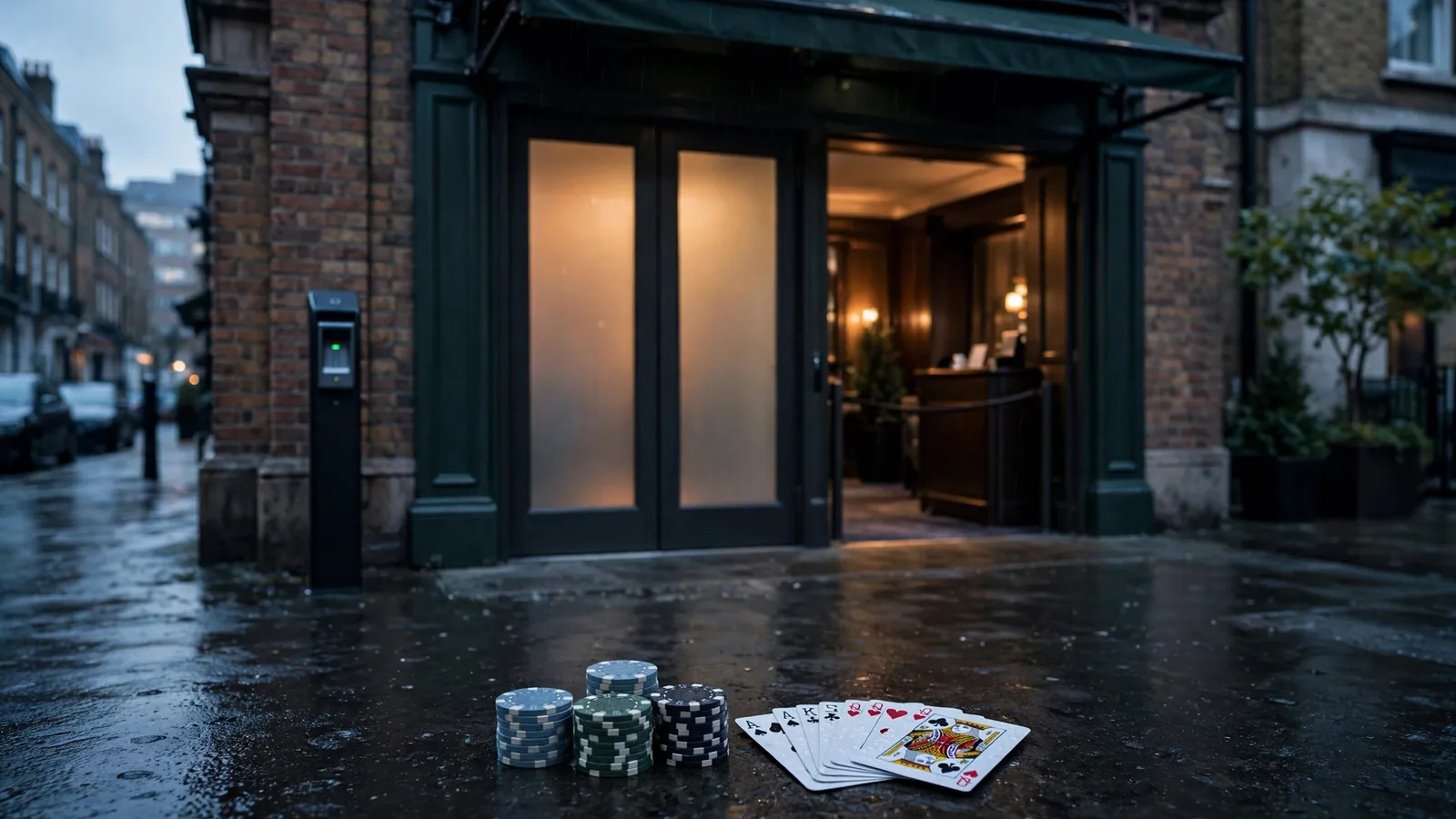
That matters if you have already made a self-exclusion agreement. It is a formal commitment not to gamble, and a site’s promotional language does not alter it. Playing at a non-GamStop casino could breach the terms of your exclusion. Do not open another account elsewhere to get around it; that is not a safe workaround.
If you are tempted to gamble, exclude yourself from every place where you might be tempted, rather than relying on a “top” recommendation to make the choice feel safer. I used to read polished claims as reassurance. They weren’t. A self-exclusion request is practical; a ranking is not.
Use the site’s own safer-gambling instructions or contact its customer service team. If you cannot locate the instructions, ask directly how to submit the request. Keep the focus on the action you need, not on whether a casino has been called one of the best.
How long does it take for GamStop to become active after sign-up?
GamStop starts a 24-hour cooling-off period after your identity has been verified, and your exclusion is active during that period.
How does self-exclusion work?
You identify the gambling sites or venues you want to exclude yourself from, provide information to confirm your identity, choose a duration and receive confirmation. For online gambling, you can use GAMSTOP to exclude yourself from participating UK operators or contact an individual casino; the excluded businesses must close your account, return its funds and remove you from marketing databases.
How does GamStop benefit me?
GamStop blocks you from accessing existing accounts or opening new ones with participating UK online gambling operators, free of charge.
How do I return from self-exclusion?
To end a GAMSTOP exclusion, contact GAMSTOP directly and request removal. A 24-hour waiting period applies; you can cancel your request during that period, and operators may take a further 24 to 48 hours to update your status.
What are casinos outside GamStop, and are they legal for players in the UK to use?
Casinos described as outside GAMSTOP are not part of the scheme’s participating operators; that label does not show that GAMSTOP has approved or checked them. To offer real-money online gambling to customers in England, Scotland and Wales, an operator needs a UK Gambling Commission licence, and a Curaçao licence alone does not meet that requirement.
Created by the ”Tenobet Casino 1” editorial team.